


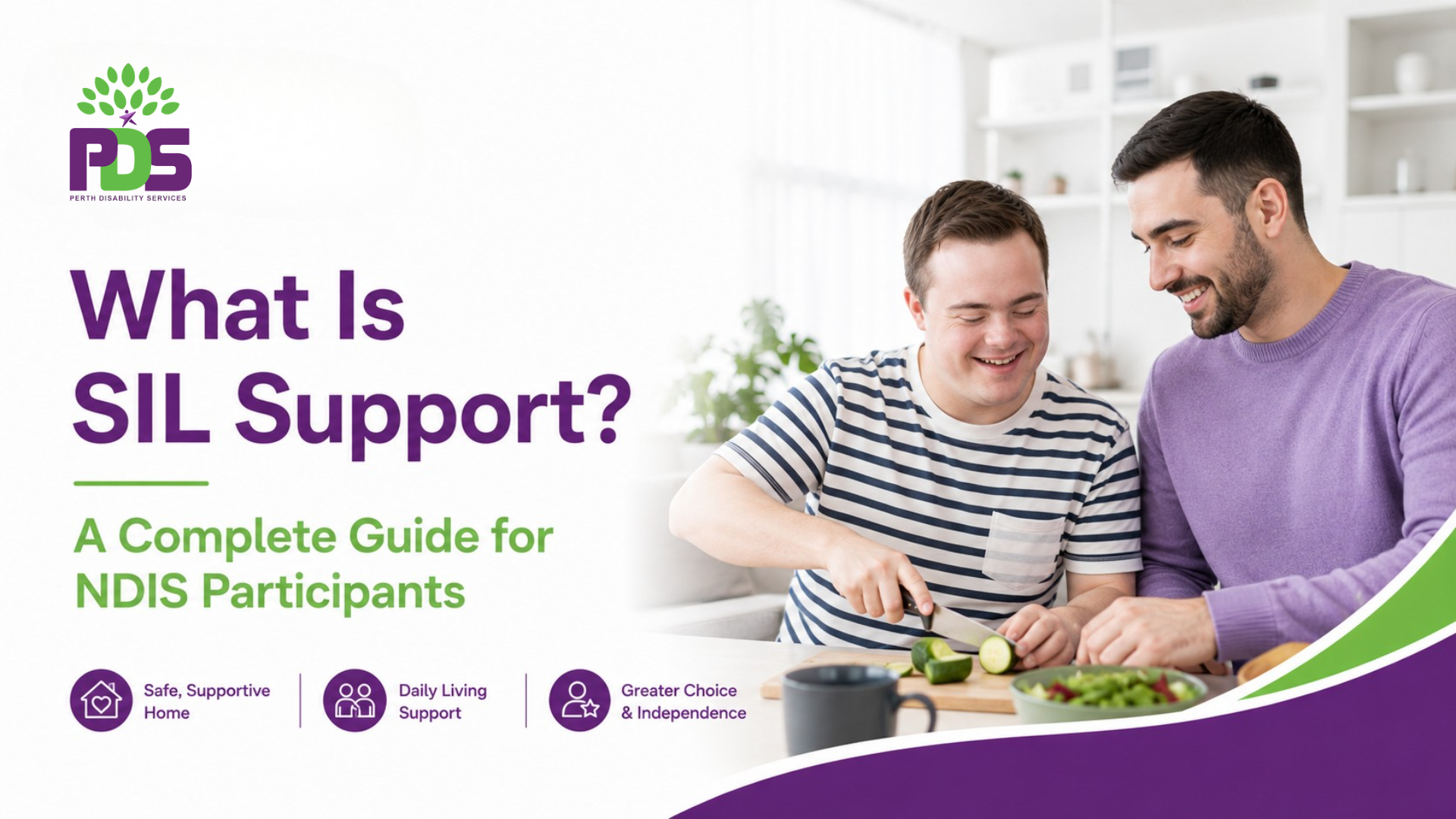
For many NDIS participants, living independently is one of the most important goals on their plan. SIL support short for Supported Independent Living – is one of the NDIS supports designed to make that possible. It provides daily assistance in a shared or individual home setting so participants can build skills, maintain routines, and live with dignity.
Whether you are exploring SIL for yourself or a family member, understanding how it works helps you make confident decisions about the right level of support.
What Is SIL Support?
SIL support refers to the assistance provided to NDIS participants who require help with everyday tasks in their home. It is delivered by qualified support workers, often on a 24/7 basis or across set shifts, depending on the participant’s needs.
The aim of SIL is not to do things for participants, but to support them in doing things for themselves — building independence over time while ensuring safety and wellbeing.
What SIL Funding Covers
SIL funding pays for the support hours that participants need within their home. This typically includes:
• Assistance with personal care, including showering, dressing, and grooming.
• Help with meal planning, cooking, and eating.
• Support with household tasks such as cleaning, laundry, and shopping.
• Medication prompts and basic health monitoring.
• Help with developing daily living skills.
• Overnight support where required, including active or sleepover shifts.
SIL does not cover rent, utilities, food, or other personal living costs — these are paid by the participant from their own income.
Who Is SIL Support For?
SIL is intended for participants with higher support needs who require regular assistance to live safely and independently. This usually includes people with moderate to severe physical disability, intellectual disability, neurological conditions, or complex health needs.
It is not designed for participants who only need occasional or low-level help — those needs are usually met through standard support worker hours funded under Core Supports.
SIL and Shared Living
Many SIL arrangements involve shared homes, where two or more participants live together with shared support staff. Shared living can reduce costs, provide companionship, and create a strong sense of community.
However, SIL can also be delivered in a participant’s own home if shared living is not suitable. The key is matching the living arrangement to the participant’s preferences, lifestyle, and goals.
How SIL Funding Is Approved
SIL funding is included in the Core Supports section of an NDIS plan and is one of the most heavily reviewed parts of any plan. The NDIA assesses each participant’s support needs based on assessments, reports, and recommendations from allied health professionals.
The funding amount reflects how many support hours are needed and the staffing ratio required — for example, one staff member to one participant, or one to three.
Choosing the Right SIL Provider
A good SIL provider does more than fill shifts. They focus on building trust, supporting independence, and creating a stable home environment. When choosing a provider, look for experienced staff, clear communication, transparent rostering, and a culture that respects participant choice and dignity.
Conclusion
SIL support gives NDIS participants the daily assistance they need to live with independence, safety, and confidence. With the right provider and the right home environment, SIL becomes more than support — it becomes the foundation for a fulfilling everyday life.
Let’s Stay Connected
Looking for guidance on SIL or NDIS supports?
📞 08 6118 9090
✉️ info@pdswa.com.au
🌐 perthdisabilityservices.com.au
FAQ’s
1. What does SIL stand for in the NDIS?
SIL stands for Supported Independent Living – assistance with daily tasks delivered in a participant’s home to support independence.
2. Does SIL include rent or food?
No. SIL only funds the support hours. Rent, utilities, food, and personal living costs are paid by the participant.
3. Can I live alone with SIL support?
Yes. While many SIL arrangements are shared homes, SIL can also be delivered one-on-one in a participant’s own home if that suits their needs.
4. How is SIL funding worked out?
The NDIA assesses your support needs and approves funding based on the hours of support required and the staffing ratio.
5. Is SIL the same as SDA?
No. SIL is the support delivered in a home. SDA (Specialist Disability Accommodation) is the housing itself. Some participants receive both, others receive only SIL.